レーザーでインクが薄くなる仕組み
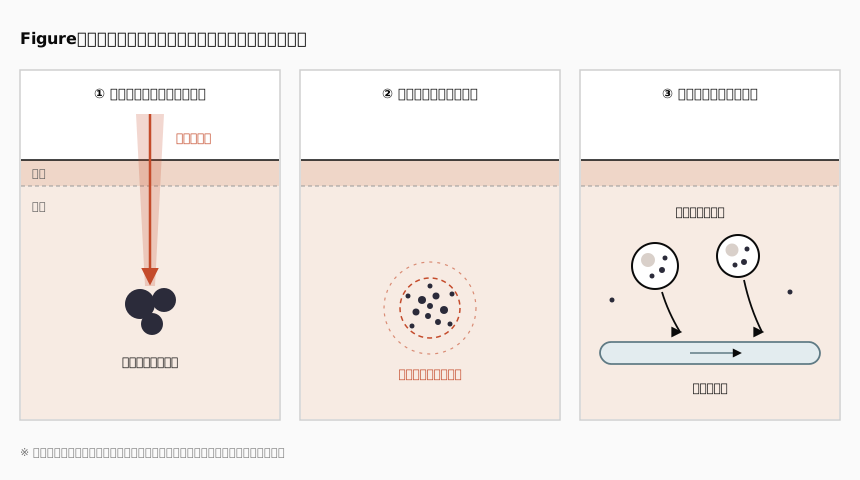
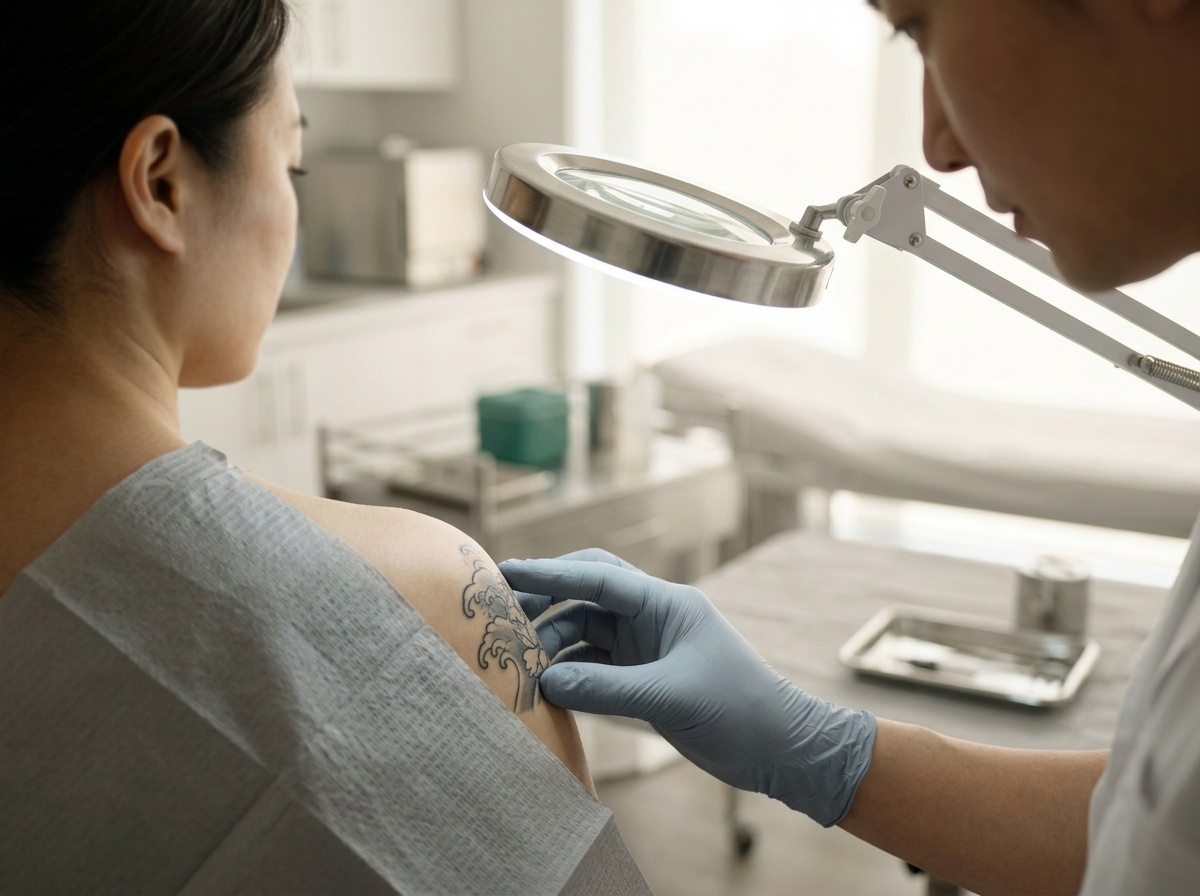
タトゥーが長く残るのは、インクの粒が皮膚の奥にとどまり、自然には外へ出ていきにくいためです。レーザー除去では、このインクの粒に強い光をごく短い時間だけ当てます。352人の患者を解析した研究では、インクが光を吸収すると、圧力の波と急な加熱によって細かく砕けると説明されています[1]。大きな岩はそのままでは動かせなくても、砂利まで砕けば運び出しやすくなる、というイメージです。
砕けたインクを片づけるのは、体の掃除役である「マクロファージ」という細胞です。マクロファージが小さくなったインクを取り込み、リンパ管という体液の通り道を通って運ばれていきます[1]。ラットの皮膚に入れた黒いタトゥーに4種類のレーザーを当てた実験では、色素の粒の大きさと、皮膚の中に集まったマクロファージの量が、除去の効果と関係していました[8]。これは動物での結果なので、人の回数をそのまま示すものではありません[8]。
1回の照射ですべてが消えるわけではないため、施術は間隔をあけて繰り返します。352人の研究では施術の間隔を6週間以上とっており、間隔が8週以下と短い場合は反応が低い傾向が見られました[1]。これは観察研究で見られた傾向で、合う間隔は人によって違います。間隔は診察した医師と相談して決めてください。
ピコ秒とQスイッチは何が違うのか
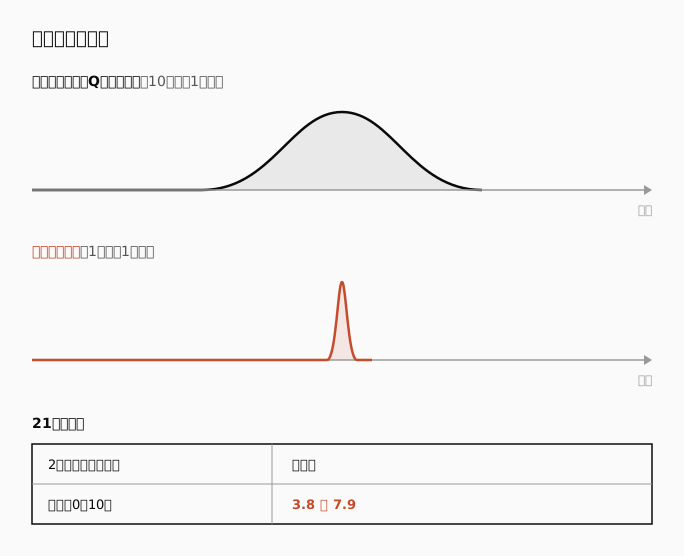
「ピコ秒レーザー」と「Qスイッチレーザー」は、よく並べて比べられます。ただしQスイッチは、レーザーの光をごく短いパルス(一瞬の光の発射)にして出す方式の名前です。臨床研究で比べられているのは、パルスの長さが違うピコ秒パルスとナノ秒パルスです。ナノ秒は10億分の1秒、ピコ秒はその1000分の1の1兆分の1秒にあたります。どちらの装置でも、1064 nm、532 nm、755 nmなど、インクの色に合わせて光の波長を選びます[1,3,4]。
黒色タトゥー30件をもつ21人を対象に、1064 nmのピコ秒とナノ秒の照射をくじ引きのように同じタトゥーの別の部分に割り当てて比べた試験があります[2]。6週間隔で2回照射した後、平均の除去度に統計学的な差はありませんでした(P=1.00)[2]。一方、0〜10の尺度で測った痛みは、ピコ秒側が3.8±1.0、ナノ秒側が7.9±1.1で、ピコ秒側のほうがはっきり低い結果でした(P<0.001)[2]。
黒色やカラーのタトゥー30件をもつ23人の試験では、タトゥーを二分してピコ秒(532/1064 nm)とナノ秒(694 nm)を4週間隔で最大8回照射しました[3]。ピコ秒側の除去度は高く見えたものの、統計学的な差はありませんでした[3]。痛みはピコ秒側で低く、水疱やかゆみなどの一時的な反応も短く軽い傾向でした[3]。消える度合いでピコ秒が必ず上回るとはいえませんが、痛みが軽い点は2つの試験で共通していました[2,3]。
タトゥー除去の回数の目安
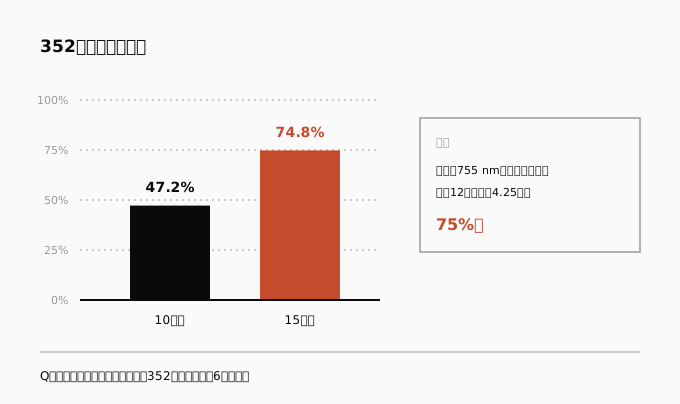
回数の目安として参考になるのが、1995年から2010年に治療を受けた352人を追った研究です[1]。Qスイッチのナノ秒レーザーを色に応じて使い分けた結果、成功(タトゥーが消え、一時的な色の変化以外の副作用がないこと)と判定された割合は、10回の施術後で47.2%、15回の施術後で74.8%でした[1]。10回でおよそ半数、15回でおよそ4人に3人という数字です。6週間以上の間隔で15回となると、通院は年単位になります[1]。
ピコ秒レーザーでは、濃い色のタトゥーをもつ15人に755 nmのピコ秒アレキサンドライトレーザーを、約6±2週間隔で当てた試験があります[4]。15人中12人(80%)が最後まで通い、その12人全員で75%を超える除去が得られました[4]。12人中9人(75%)は2〜4回で75%超に達し、75%超までの平均は4.25回でした[4]。ただし比較対象のグループを置かない小規模な試験なので、条件の違う研究と回数を直接比べることはできません[4]。
どちらの研究からも、必要な回数には大きな幅があることが分かります。1〜2回で消えると期待して始めると、思ったより薄くならない時期に気持ちが折れやすくなります。10回を超える通院もありうると知ったうえで、無理のない計画を立てることをおすすめします。自分のタトゥーでの見込みは、診察を受けて医師に尋ねてください。
回数を左右する色・大きさ・部位
352人の研究では、反応が低い(消えにくい)ことと関連する特徴がいくつも見つかっています[1]。黒と赤以外の色、30 cm²を超える大きさ、足や下腿(膝から足首までの部分)の部位、色素の密度が高いものは反応が低い傾向でした[1]。彫ってから36か月を超えたタトゥーや、照射で色が濃くなる変化が起きたタトゥーも、同じく反応が低い傾向でした[1]。
266人の診療データを振り返った研究でも、似た結果が出ています[6]。年齢、タトゥーの年数、タトゥーの種類、色、インクの密度、施術回数が、除去の効果と統計学的に関連していました(P<0.05)[6]。色や密度は彫った時点で決まっている要素なので、自分のタトゥーがどれに当てはまるかを知っておくと、回数の見込みを立てる手がかりになります。
回数を事前に見積もる道具として、「カービー・デサイ・スケール」という尺度も提案されています[7]。肌タイプ、部位、色、インクの量、瘢痕(傷あと)の有無、重ね彫りの6項目を点数にするものです[7]。100人分の診療録では、合計点と満足できる除去までの回数に、相関係数0.757の相関がありました[7]。あくまで目安を出す予測ツールで、回数を確定するものではありません[7]。
タトゥー除去の痛みと和らげ方
痛みの強さは、使うレーザーで差が出ます。21人の比較試験では、0〜10の尺度で、ピコ秒側の痛みは平均3.8、ナノ秒側は7.9でした[2]。23人の試験でも、ピコ秒側の痛みのほうが統計学的に低い結果でした[3]。ピコ秒アレキサンドライトレーザーを使った15人の試験では、痛みは照射の直後におさまったと報告されています[4]。
痛みを和らげる方法では、皮膚に塗る麻酔薬の試験があります[5]。レーザー除去を受ける成人30人に、リドカイン7%とテトラカイン7%を含む麻酔薬と、薬の入っていないプラセボを、同じ人の別の場所へ60分間使いました[5]。100 mmの尺度で測った平均の痛みは、麻酔薬の場所が42 mm、プラセボの場所が66 mmでした[5]。十分に痛みが和らいだ場所の割合は、麻酔薬で50%、プラセボで7%でした[5]。主な副作用は、塗った場所の軽い一時的な赤みでした[5]。
施術の後にも、しばらく反応が残ることがあります。15人の試験では、腫れと水疱は1週間以内におさまりました[4]。23人の試験では、水疱、かゆみ、灼熱感(焼けるような感じ)などの一時的な反応がみられました[3]。痛みに弱い人や不安が強い人は、どんな痛み対策を選べるかを予約の時点で相談しておくと安心です。
色素の変化や傷あとはどのくらい起こるか
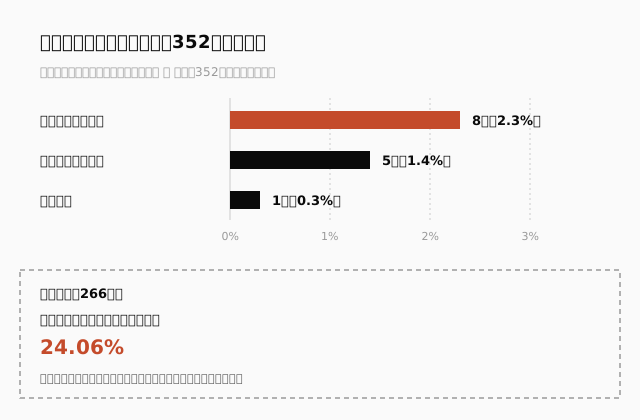
副作用の頻度は、352人の研究が具体的な数字を出しています[1]。永続する色素低下(肌が白っぽくなる)は8人(2.3%)でした[1]。色素増加(肌が茶色っぽくなる)は1人(0.3%)、皮膚の質感の変化は5人(1.4%)で、こちらは長く残ったかどうかは書かれていません[1]。
一時的なものまで含めると、数字は大きくなります。266人を振り返った研究では、治療に関連する有害反応の全体の発生率は24.06%でした[6]。この中には、色素の変化、水疱、アレルギー反応、皮膚の質感の変化、肥厚性瘢痕(盛り上がった傷あと)が含まれます[6]。一時的に治まるものと長く残るものが一緒に数えられている点に注意して読む必要があります。
レーザーの種類による違いも報告されています。23人の試験では、色素低下はナノ秒側だけにみられ、色素増加は両方で起こりました[3]。どちらのレーザーでも瘢痕は確認されませんでした[3]。21人の試験では副作用に統計学的な差はなく[2]、15人の試験では3か月後に色素低下と色素増加が報告されています[4]。肌の状態や体質に不安がある人は、施術の前に医師へ伝えてください。
施術を受ける前に医師と話しておきたいこと
研究の数字を見ると、回数や副作用の出方はタトゥーの条件で大きく変わることが分かります[1,6,7]。診察では、色、大きさ、部位、彫ってからの年数、重ね彫りや傷あとの有無を伝えると、医師が回数の見込みを立てやすくなります[1,7]。写真だけで判断せず、実際に皮膚を見てもらうことが大切です。
痛みについては、どのレーザーを使うか、麻酔薬を使えるかを事前に尋ねておきましょう[2,5]。施術後の水疱や腫れへの対応、通院の間隔も、あらかじめ聞いておくと計画を立てやすくなります[1,4]。ここで紹介した数値は研究での平均や割合で、あなたの結果を約束するものではありません。治療を受けるかどうか、どの方法が合うかは、診察のうえで医師と相談して決めてください。
よくある質問
- Q. タトゥー除去レーザーは何回くらい必要ですか?
- 人によって大きく違います。Qスイッチレーザーで治療した352人の研究では、成功と判定された割合は10回後で47.2%、15回後で74.8%でした。ピコ秒アレキサンドライトレーザーの小規模試験では、完了した12人が75%超の除去に達するまでの平均は4.25回でした。具体的な見込みは、タトゥーを診察した医師に相談してください。
- Q. ピコ秒レーザーはQスイッチレーザーより必ずよく消えますか?
- 必ずとはいえません。黒色タトゥー30件・21人の比較試験では、2回後の除去度に差はありませんでした。別の23人の試験でも、ピコ秒側の除去度に統計学的な差は出ていません。一方で、どちらの試験でもピコ秒側のほうが痛みは低い結果でした。
- Q. タトゥー除去の痛みはどのくらいですか?
- 21人の比較試験では、0〜10の尺度でピコ秒側の痛みは平均3.8、ナノ秒側は7.9でした。外用麻酔薬(リドカイン7%・テトラカイン7%)を60分使った30人の試験では、100 mmの尺度で麻酔薬の部位は平均42 mm、プラセボ(有効成分の入っていない偽の薬)の部位は66 mmでした。痛みの和らげ方は、予約時に医療機関へ相談してください。
- Q. 傷あとや肌の色の変化はどのくらい起こりますか?
- 352人の研究では、永続する色素低下は8人(2.3%)、色素増加は1人(0.3%)、皮膚の質感の変化は5人(1.4%)でした。266人の研究では、水疱などの一時的な反応も含めた有害反応の発生率は24.06%でした。肌の状態に不安がある人は、施術前に医師へ伝えてください。
- Q. カラーのタトゥーは消えにくいのですか?
- 352人の研究では、黒と赤以外の色は反応が低い傾向でした。ほかにも、30 cm²を超える大きさ、足や下腿(膝から足首までの部分)の部位、色素の密度の高さなどが、反応の低さと関連していました。
References
- [1]Pier Luca Bencini, Simone Cazzaniga, Athanasia Tourlaki, Michela Gianna Galimberti, Luigi Naldi. Removal of Tattoos by Q-Switched Laser: Variables Influencing Outcome and Sequelae in a Large Cohort of Treated Patients. Archives of Dermatology, 2012. doi:10.1001/archdermatol.2012.2946
- [2]F. Pinto, S. Große-Büning, S. Karsai, C. Weiß, W. Bäumler, S. Hammes, M. Felcht, C. Raulin. Neodymium-doped yttrium aluminium garnet (Nd:YAG) 1064-nm picosecond laser vs. Nd:YAG 1064-nm nanosecond laser in tattoo removal: a randomized controlled single-blind clinical trial. British Journal of Dermatology, 2017. doi:10.1111/bjd.14962
- [3]Wolfgang Bäumler, Christina Breu, Benjamin Philipp, Birgit Haslböck, Michael Berneburg, Katja T. Weiß. The efficacy and the adverse reactions of laser-assisted tattoo removal: a prospective split study using nanosecond and picosecond lasers. Journal of the European Academy of Dermatology and Venereology, 2022. doi:10.1111/jdv.17674
- [4]Nazanin Saedi, Andrei Metelitsa, Kathleen Petrell, Kenneth A. Arndt, Jeffrey S. Dover. Treatment of Tattoos With a Picosecond Alexandrite Laser: A Prospective Trial. Archives of Dermatology, 2012. doi:10.1001/archdermatol.2012.2894
- [5]John Z. S. Chen, Laurie G. Jacobson, Aboneal D. Bakus, Jerome M. Garden, Dina Yaghmai, Leonard J. Bernstein, Roy G. Geronemus. Evaluation of the S-Caine Peel for induction of local anesthesia for laser-assisted tattoo removal: randomized, double-blind, placebo-controlled, multicenter study. Dermatologic Surgery, 2005. doi:10.1111/j.1524-4725.2005.31074
- [6]Mengli Zhang, Xiangdong Gong, Tong Lin, Qiuju Wu, Yiping Ge, Yuqing Huang, LiYu Ge. A retrospective analysis of the influencing factors and complications of Q-switched lasers in tattoo removal in China. Journal of Cosmetic and Laser Therapy, 2018. doi:10.1080/14764172.2017.1376096
- [7]William Kirby, Alpesh Desai, Tejas Desai, Francisca Kartono, Geeta Patel. The Kirby-Desai Scale: A Proposed Scale to Assess Tattoo-removal Treatments. Journal of Clinical and Aesthetic Dermatology, 2009. https://pubmed.ncbi.nlm.nih.gov/20729941/
- [8]Xiao-Jie Du, Hong-Mei Zhou, Zhao Wang, Jing Liu, Jia-Feng Wang, Dong Li, Ting-Ting Wu, Bin Chen, Wei-Hui Zeng. Comparative study of 1064 nm nanosecond, 1064 nm picosecond, 755 nm, and 595 nm lasers for tattoo removal: An essential role by macrophage. Lasers in Surgery and Medicine, 2022. doi:10.1002/lsm.23535
入れる前の準備を、ほかの項目も含めて確認したい方は
はじめてのタトゥーガイドを読む →